
A new chapter after midlife with joy, purpose and possibility
How to embrace the middle and beyond
Navigating midlife and beyond is a complex time. Midlife is sometimes defined as around 40 to 65 and the senior years as 65 plus. We live in a very ageist society where little respect is given to older people and youth is put on a pedestal. Models who promote fashion and face creams are often very young and we are bombarded with advertising promoting anti-ageing products. This discrimination has a profound impact on our job prospects, confidence, mental and physical health and quality of life. The standard for youth and beauty is harsher on women than men. Women experience both sexism and ageism.
Anti-ageing is anti-human
As we are all ageing – even young people are ageing, and they will get to the later years of their life eventually – anti-ageing is in reality anti-human. Ageing is not a disease or something to be dreaded. Yet, the stereotypes of older people, particularly women, reinforce the idea that the older years are something to be feared. More importantly, older people internalise these stories about themselves, and this unconsciously restricts what they believe they are capable of in their life, and this in turn contributes to poorer mental and physical health. In her book, Breaking the Age Code by Dr Becca Levy, there are numerous studies and evidence to show how important it is that older people believe that they are capable and deserving of making contributions to society. Older people who take onboard the stereotypes put out by our culture have poorer health outcomes and lower life expectancy. Studies cited in Dr Levy’s book have shown that people with positive beliefs about ageing live on average 7.5 years more than those who believe old age is something to be feared.
The challenges of ageing
There is no doubt there are unique challenges as we age. In midlife this may be going through menopause and grieving not having children, or not being able to have children, or seeing this time as a loss of youth and not being sexually desirable. Women may be caught up with teenagers or adult children still at home and also looking after parents. They may also be working full time or at least part time. Women in this age group continue to perform most of the unpaid carer work with looking after older relatives. Seven out of ten primary care givers in Australia are women.
The years of doing this results in financial and professional consequences for women. They often have not progressed professionally as much as men and have less superannuation. Median superannuation balances for women at retirement are around 25% lower than men’s. Career breaks while looking after family members and part time work contribute to this. Sadly, there has been an increase in the number of older women who are homeless in Australia. In their senior years women may continue in their care giving role because if their partner is a male, they usually outlive him. If they don’t have enough money to retire with, their job opportunities are greatly reduced in their later years.
The good stuff about ageing
Now for some good news! Happiness tends to follow a U curve through life as it starts off high in youth but declines in midlife until 50 where it raises again and keeps rising into old age. This is because things like social status is less important and meaningful relationships and purpose are more important.
The most important factors for happiness are social connections, a sense of meaning (that can be what we decide means something to us) and a reason to get out of bed and get on with it. While diet and exercise do not stop ageing – they contribute to a healthier lifestyle. Most of us experience anxiety about ageing which is reinforced by the media. We worry we will end up in a nursing home or lose our memory. This anxiety in itself can raise our cortisol levels and cause long term health issues. We need to ditch these messages as much as possible and start to find older people who are active and interesting as role models. There are lots of books and podcasts to listen to that can inspire us.
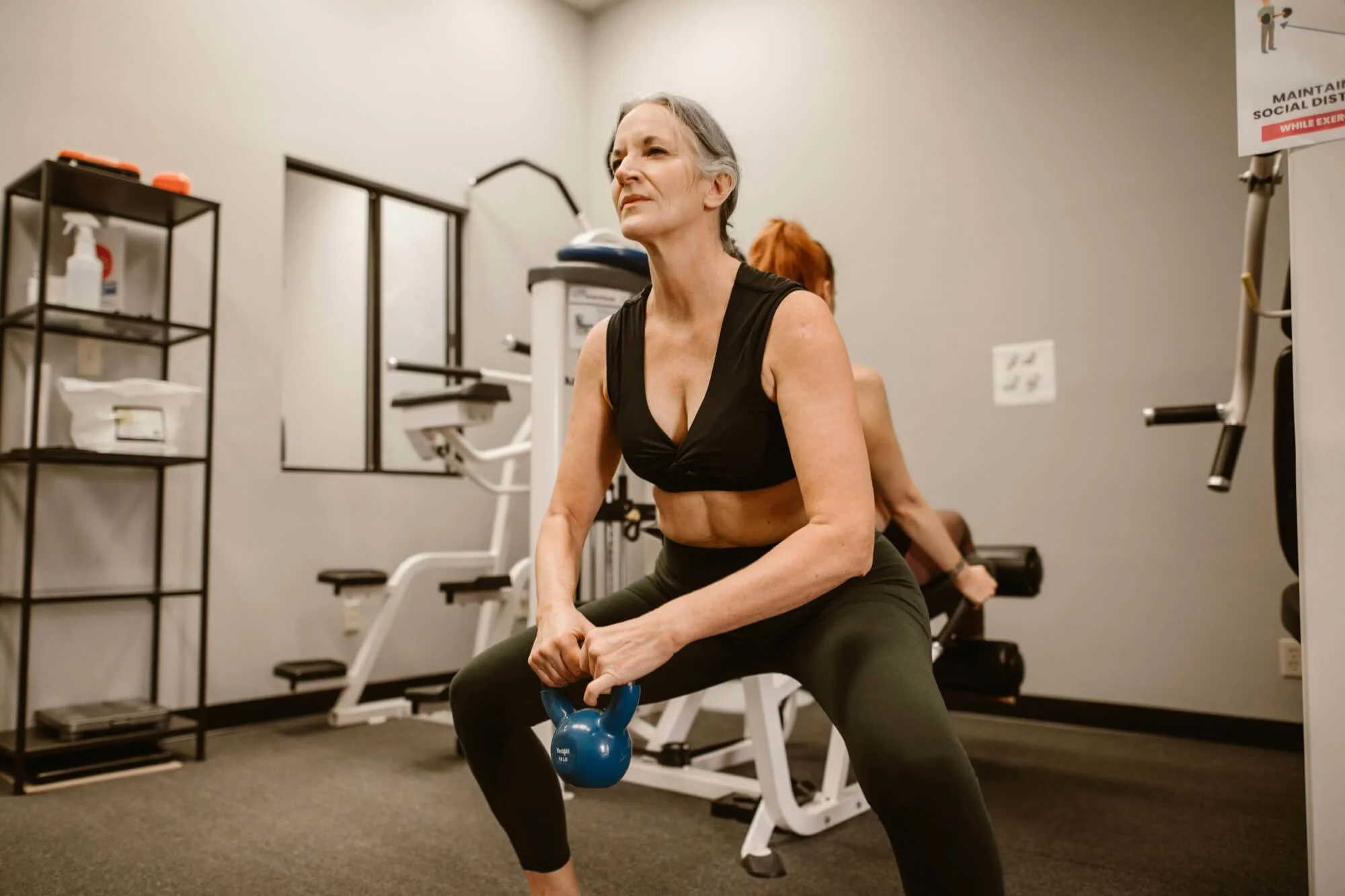
The impact of beliefs as we get older
If we look at reality in Australia only 5 – 6% of people over 65 are in aged care and Australia has one of the highest percentages in the world. That means around 94% are not in aged care. Also, only 5% of 65- to 74-year-olds have Alzheimer’s which rises to 13% between 75 to 84 years. So, you can see that most older people do not get Alzheimer’s which is portrayed by the media as one of our greatest fears. Even better news is that even if you have the gene that predisposes you for Alzheimer’s, if you believe in yourself as an empowered, strong older person, your risk factor is the same as someone who does not have the gene. Beliefs have a strong impact on lifestyle and on epigenetics – which determine if genes will be expressed. Of course, this also has an impact on other diseases too.
How we improve with age
As we age our brains develop a more extensive vocabulary, we have more files of information in our brains that we shift through when retrieving information – this is why we may take longer, and it is not dementia. We also have better emotional regulation as we don’t get as upset about the things that don’t matter as we see the bigger picture. We can focus better and ignore distractions too. Brain plasticity retains its ability to form new neural connections, and so we can learn new skills. As we get older, we become less like other people, so we grow into ourselves. This means older people are not a homogenous group – every individual is different and unique.
Passing on our legacy
In later life generativity becomes more important – what we can create or pass on to others. We can’t do this if we only hang around with people our own age, this is why intergenerational activities and groups are so important. We can learn from younger people, and they can learn from us. Age is not a barrier to friendships. We must remember to not shrink or make ourselves invisible but to also not discriminate against others especially not to be guilty of discriminating against someone who is young or generalizing about younger generations. It can work both ways. What about death? Well, it seems the older we get the less we fear dying as well. It seems like a natural progression and if we have more meaning and purpose and have a legacy that we feel proud to leave … it may be nice memories for others about who we were and what we stood for …. then we feel more content when our time is up.
We grow and change all through our life
Becoming aware of our own prejudices about age is the key, challenging narratives and stereotypes, finding a tribe that are living life to the fullest and having fun. When we can no longer do something such as reading small print on jars or getting upstairs – know it is Ok to ask for help but realise that we should not internalise blame or shame as this is a sign of a culture that puts up barriers to many people who don’t fit into the ‘normal’ young abled bodied person and it is no reflection on us.
In actual fact most people become more comfortable with themselves as they age. As we age, we may have to make some adjustments to take care of ourselves, but we can adapt and grow and feel it is OK to be older. We need to ask ourselves ‘what are we capable of doing?’ and then do it. More and more older women are starting up their own businesses to supplement retirement, use their brain and form new friendships. If someone says we cannot do something because of our age – say ‘why not?’ and find a way. We can reinvent ourselves no matter our age and step into a life that we want as we are capable of growth and change all through our lives.
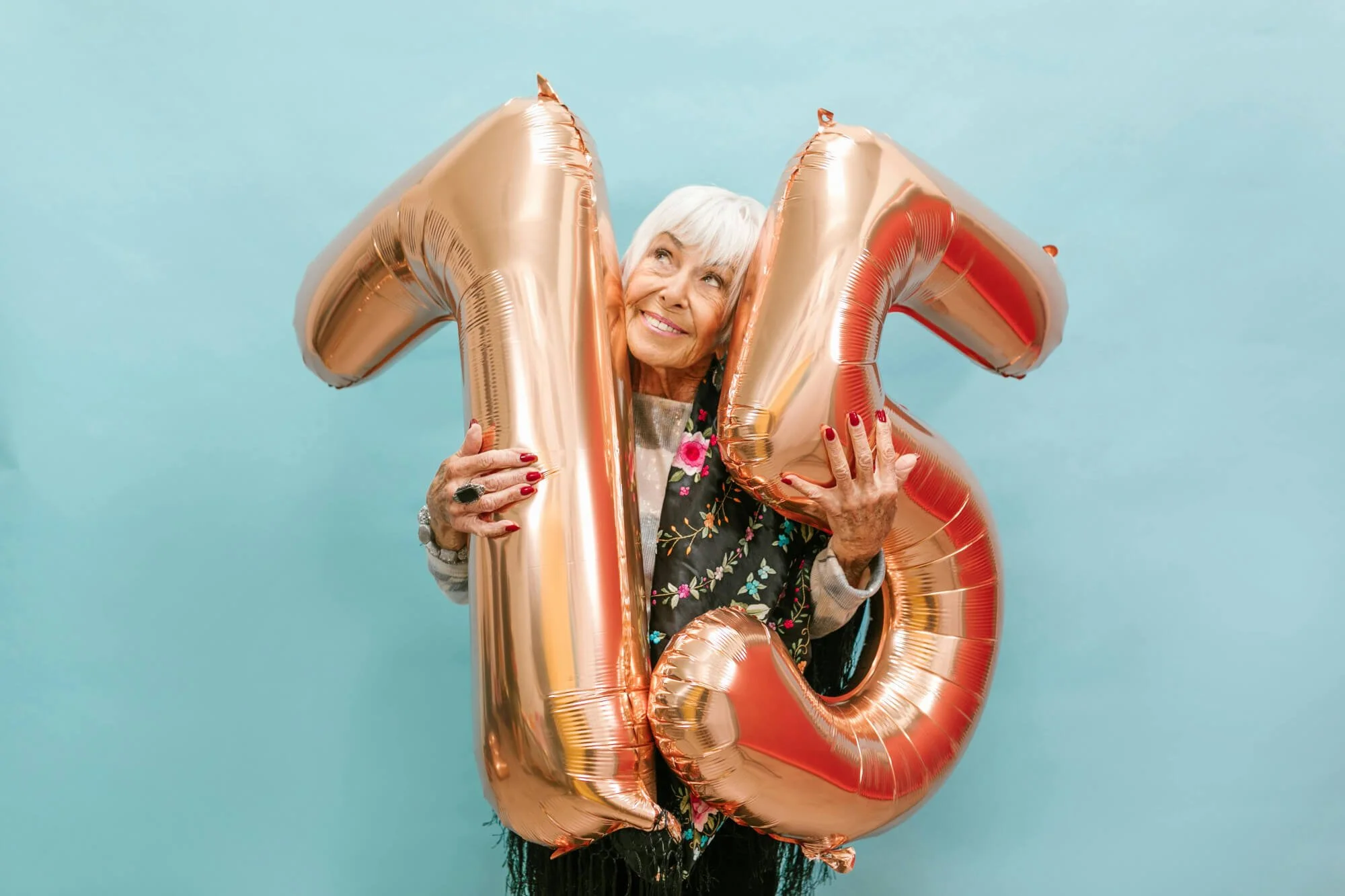
Reframe, reframe, reframe until it becomes second nature. When I was a bit younger, I was never going through a midlife crisis but a midlife transition. Now I am 69 I am a sassy senior or a kick ass elder or a senior goddess. It’s not about denying our age but embracing it fully and learning to adapt to change.
Some other inspiring books are – From Strength to Strength by Arthur C Brooks, This Chair Rocks by Ashton Applewhite and Ageing Sideways by Jeanette Leardi.
Inspiring podcasts – Older Women and Friends, Women Living Well after 50 and Boomer Banter.
If you need help finding your purpose, contact me for a free no obligation 20-minute chat.