
Changing your focus and habits
Humans have a natural negative bias
You view the world through programs you have in your unconscious that you downloaded in childhood and through experiences in your life so far. You are overloaded with information constantly and the brain has a natural survival filtering system which is making predictions based on what it knows and has a bias to look for negative consequences if you leave it to its own devices. This natural negative lens is to keep you safe; it’s a way of looking for the worst possible outcome – just in case. That is why if you have a problem you will ruminate about it and often see it as worst than it really is.
Repetition is important in the rewiring process
Your mind and body automatically are geared to avoid loss and keep you protected. This is essential for survival. Often though you may find yourself stuck and find it difficult to move out of this sense of fear, which is there to keep you safe, so you stay in old patterns and never take any risks.
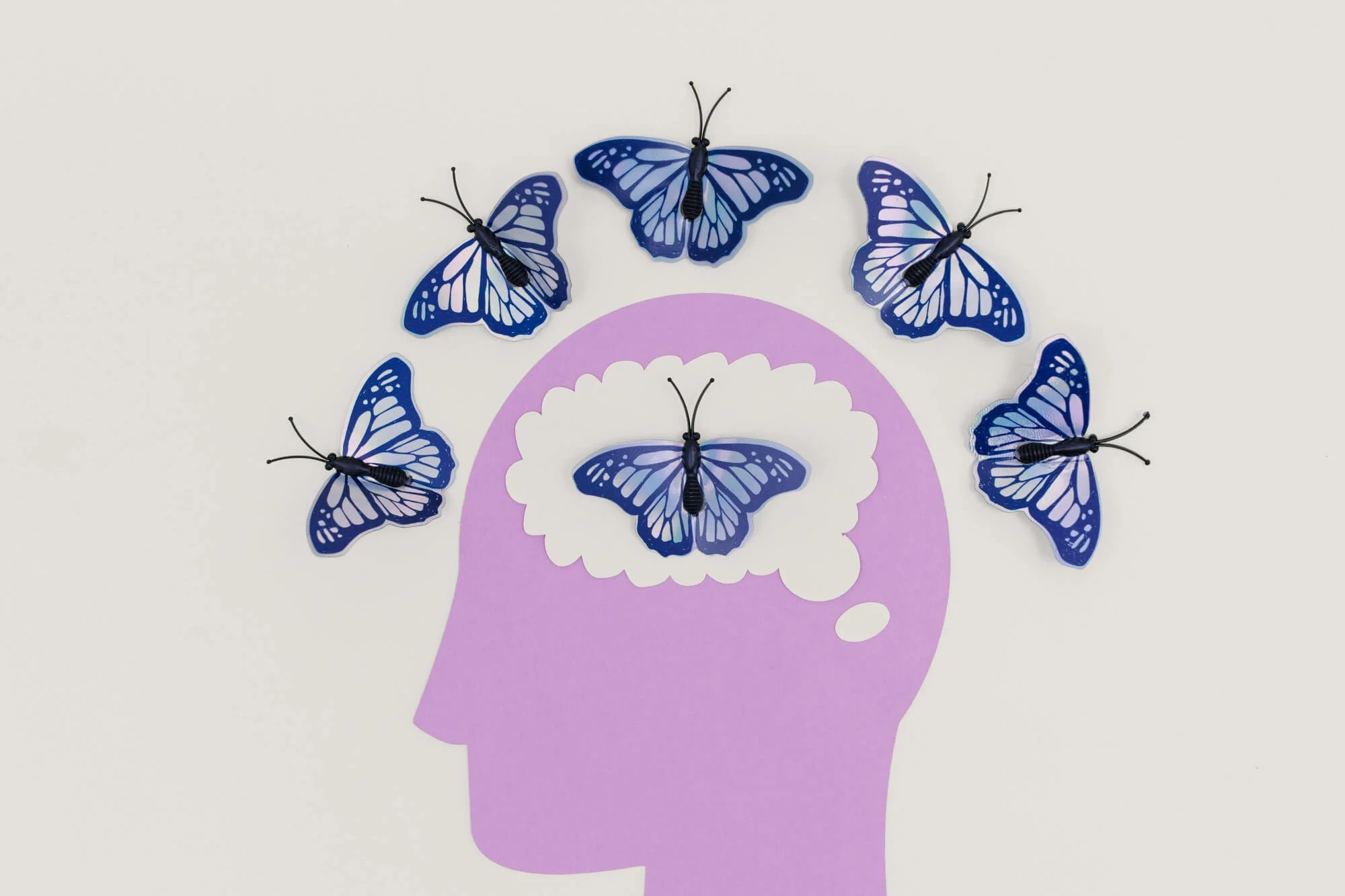
The brain can grow and change through life, and this is called neuroplasticity and through rewiring your brain you can move towards more of what you want from life. The process of rewiring involves neurons wiring together to form new pathways that are stronger than the old ones.
There’s a tipping point after you have practiced a new habit over and over again where the new behaviour becomes automatic. It’s like a grassy overgrown pathway and every time we walk down that pathway, you crush more grass under your feet so it can be seen more clearly as it becomes worn down. It’s takes repetition to look at things through a different lens and develop new ways of doing things.
By focusing on what you want rather than what you don’t want you train your brain to tag or notice opportunities in your environment and then you can grasp them when they come along.
Manifesting what we want
The importance your brain assigns to every bit of information it is exposed to is in order of its value to us and our survival. It is both logical and emotional. The emotional component has to do with our sense of belonging, safety, meaning and purpose.
As we can see it is easy for our brain to assign a disproportionate value to things we care about and a negative value to those we don’t. We can also assign value out of habit and perception bias. Emotional experiences that shaped our childhood or past experiences can shape our value tagging – therefore we can dismiss some experiences as being something that we can’t do or are not skilled enough to try. If you were told you could not draw as a child, you are less likely to try it as an adult.
Understanding that we block large amounts of information and focusing on other information is the key to manifesting. Simply, we don’t let our brain be conscious of and focus on what we want in life.
Manifesting requires conscious and repetitive focus on our goals
By focusing on what we want and including an emotional component to it, for example using imagery that includes our emotions and our senses, we gradually change our brain to notice what ties in with what we want, we develop new responses, and we notice new opportunities. Using affirmations, visualizations, vision boards and journalling about our intentions all assist in the process. It takes conscious practice until it becomes a habit and then we know new neural pathways have overridden the old ones.
Both mind and body are involved in changes we want to make
Becoming aware of what you really want, doing deliberate practice until it becomes a new habit is important but sometimes, you don’t know why you do the things you do that don’t work in your best interest. The reasons for these behaviours are often connected to your unconscious and automatic limiting beliefs about yourself.
So often while you are trying to retrain your brain your body is resisting. Messages from our nervous system run in a loop from our brains to your body and back again. So often you can have unresolved stress or trauma in your body, and our nervous system is going into survival – so fight, flight or freeze to keep us safe. This is when you might self-sabotage or procrastinate.
Somatic therapies assist in changing our beliefs and habits
Using somatic therapies, such as Emotional Freedom Techniques (EFT) gets the body on board. EFT works on the unconscious so we can make better connections between our feelings and behaviours.
It helps you to work out why you behave the way you do and also assists you to regulate your nervous system and move out of survival mode so you can work on achieving your goals.
It safely and gently brings the unconscious to consciousness and works through the body to diminish the power of these limiting beliefs. By working with the body and its reactions we can then send different messages to the brain to rewire it.
If you need support, contact me for a free obligation free 20-minute chat.